


Blue light from screens: does your skin need protection?
We spend hours every day in front of screens. From laptops and smartphones to tablets and televisions, blue light is everywhere. As a result, more and more skincare products claim to protect the skin against blue light. But what exactly is blue light? Can it really damage your skin? And does your skin actually need extra protection? In this blog, you'll discover what blue light is, what current research says about its effects on the skin, and which skincare products can help keep your skin healthy.
Does your skin need protection from blue light?
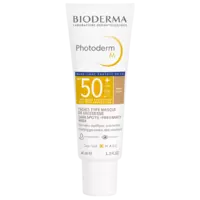
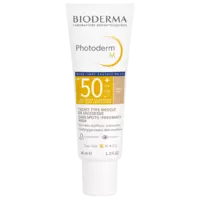
Blue light emitted by screens appears to have a much smaller effect on the skin than UV radiation from the sun. However, some studies suggest that prolonged exposure to blue light may contribute to oxidative stress and pigmentation, particularly in people with sensitive or pigmentation-prone skin. Daily sun protection against UVA, UVB and visible light remains the most important way to protect your skin.



What is blue light?
Blue light is part of the visible light spectrum and is also known as HEV light, which stands for High Energy Visible Light. Blue light is emitted by:
- The sun
- Smartphones
- Tablets
- Computers
- Televisions
- LED lighting
Although screens are often mentioned as a source of blue light, the sun is by far the largest source.
Is blue light the same as UV radiation?
No. UV radiation and blue light are different types of light.
UV radiation
- Is invisible
- Can cause sunburn
- Accelerates skin ageing
- Increases the risk of skin damage
Blue light
- Is visible
- Has a longer wavelength than UV radiation
- Can penetrate deeper into the skin
- Is emitted at much lower intensities by digital screens
For this reason, protection against blue light from screens should never be considered a substitute for UV protection.
Can blue light damage your skin?
Researchers are still studying exactly how blue light affects the skin. Some studies suggest that blue light may contribute to:
- Oxidative stress
- Free radical formation
- Hyperpigmentation
- Premature skin ageing
However, most studies showing these effects use levels of blue light that are significantly higher than those produced by everyday electronic devices. For most people, sunlight has a far greater impact on the skin than a smartphone or computer screen.
Can blue light cause pigmentation?
This is one of the most discussed topics surrounding blue light. Research suggests that visible light may stimulate pigmentation, particularly in people with darker skin tones or those prone to melasma. If you're susceptible to pigmentation, additional protection against visible light may be beneficial. This doesn't mean screens automatically cause dark spots, but rather that visible light as a whole may play a role in pigmentation.
Does blue light contribute to skin ageing?
There is some evidence that prolonged exposure to visible light may increase oxidative processes in the skin. Possible effects include:
- Reduced firmness
- Fine lines
- Dull-looking skin
- Uneven skin tone
However, UV radiation remains by far the leading cause of premature skin ageing. If your goal is to protect your skin from ageing, wearing sunscreen every day will generally have a much greater impact than focusing solely on blue light from screens.
Which ingredients help combat oxidative stress?
Vitamin C
Vitamin C is a powerful antioxidant that helps neutralise free radicals.
Niacinamide
Niacinamide strengthens the skin barrier and helps promote a more even-looking complexion.
Vitamin E
Vitamin E acts as an antioxidant and supports the skin's natural defence system.
How can you protect your skin?
If you want to protect your skin from daily environmental stressors, focus on these essentials:
Wear sunscreen every day
Even on cloudy days.
Add antioxidants to your skincare routine
Look for ingredients such as vitamin C and vitamin E.
Keep your skin well hydrated
A healthy skin barrier provides better protection against external factors.
Avoid excessive sun exposure
Sunlight remains the primary cause of premature skin ageing.
What do skincare experts recommend?
Skincare professionals agree that UV radiation is still the most significant external factor contributing to skin ageing and pigmentation. Although blue light remains an interesting area of research, there is currently limited evidence that normal screen use causes significant skin damage. A daily sunscreen, combined with antioxidant-rich skincare and a healthy skincare routine, remains the most effective way to protect your skin.
Summary: does your skin need protection against blue light?
| Question | Answer |
|---|---|
| Can blue light affect the skin? | Possibly, to a limited extent |
| Is blue light from screens more harmful than sunlight? | No |
| Can blue light stimulate pigmentation? | Possibly, in pigmentation-prone skin |
| Do most people need a dedicated blue light cream? | No |
| What provides the best protection? | Daily SPF and antioxidants |
Conclusion
Blue light and skincare continue to attract increasing attention. Although research suggests that visible light may contribute to pigmentation and oxidative stress, the impact of digital screens appears to be much smaller than that of UV radiation. If you want to give your skin the best possible protection, focus on daily sun protection, antioxidants such as vitamin C and maintaining a healthy skin barrier. These remain the skincare habits that truly make the biggest difference.
Comments
Post a comment


Author

Nienke
Online Marketer | Beautician | Hair, Skin & Beauty Products | 28 years old